How Much Is Bail for a DUI in Florida Costs Explained
Wondering how much is bail for a DUI in Florida? See typical ranges, what raises costs, and how to pay or use a bond in Miami-Dade.
In Florida, first-offense DUI bail is commonly around $500 to $1,000, and it can rise to $2,500 or more when prior DUIs, injury, or a felony charge is involved. With a bail bond, the family often pays a 10% premium, so the amount needed today may be only a fraction of the full court-set bail.
A late-night call from someone held at Turner Guilford Knight Correctional Center can make every number feel urgent. Your family member may have been booked for DUI, and the first question is usually simple: how much is bail, and what will we have to pay?
The answer depends on two separate figures. The court-set bail amount is the financial guarantee ordered for release. The bond premium is the amount paid to a licensed bail bond agent to post that guarantee, usually 10% in major markets such as Florida. Those figures aren't interchangeable.
Florida also doesn't use one universal DUI price for every county and every arrest. Published Florida schedules show first-offense DUI baselines from $500 to $1,000, while a prior DUI, property damage, bodily injury, or felony classification can push the schedule higher. The practical question for a Miami-Dade family is therefore not just “what is DUI bail?” It is “what amount has been assigned, what conditions apply, and what payment option can secure release?”
Introduction What Families Ask First About DUI Bail
At TGK, a family may be trying to make decisions before anyone has a complete picture of the case. Booking may still be underway, the person may not have reached first appearance, and the amount shown in one online search may not match the amount used by the local facility.
That uncertainty is stressful, but it doesn't mean you need to guess. A Florida DUI bond may follow a local schedule, or a judge may set a different amount after reviewing the charge and circumstances. The number can change based on prior convictions, injury allegations, property damage, felony treatment, and other release concerns.
The amount on the record is not always the amount from your wallet
Suppose a court sets bail at $500. Paying cash means arranging the full court-set amount through the approved process. Using a surety bond means a licensed agent may post the full bond, while the family pays the required premium and any approved costs under the applicable rules.
That distinction matters during a crisis. Families often search for “how much is bail for a DUI” and see a large figure without understanding whether it represents the full bail or the amount required to start a bond. Florida guides identify standard DUI bond amounts from $500 to $2,500, depending on charge level and aggravating circumstances, while broader national discussions may quote substantially higher figures. (Florida DUI bond guidance and schedule discussion)
What this guide will help you determine
You need a reliable path from the arrest record to a realistic release plan:
- Identify the baseline: Determine whether the charge appears to be a routine misdemeanor DUI or a more serious tier.
- Find the aggravating facts: Check for prior DUI history, damage, injury, probation, or a felony allegation.
- Separate the costs: Ask for the court-set amount and the bond premium as separate figures.
- Confirm local handling: Verify the amount and release process with the facility or a licensed agent familiar with Miami-Dade procedures.
- Protect the next step: Release doesn't end the case. Court dates and bond conditions still matter.
The safest approach is to treat online ranges as orientation, not a final quote. The actual amount comes from the court or jail record connected to the arrest.
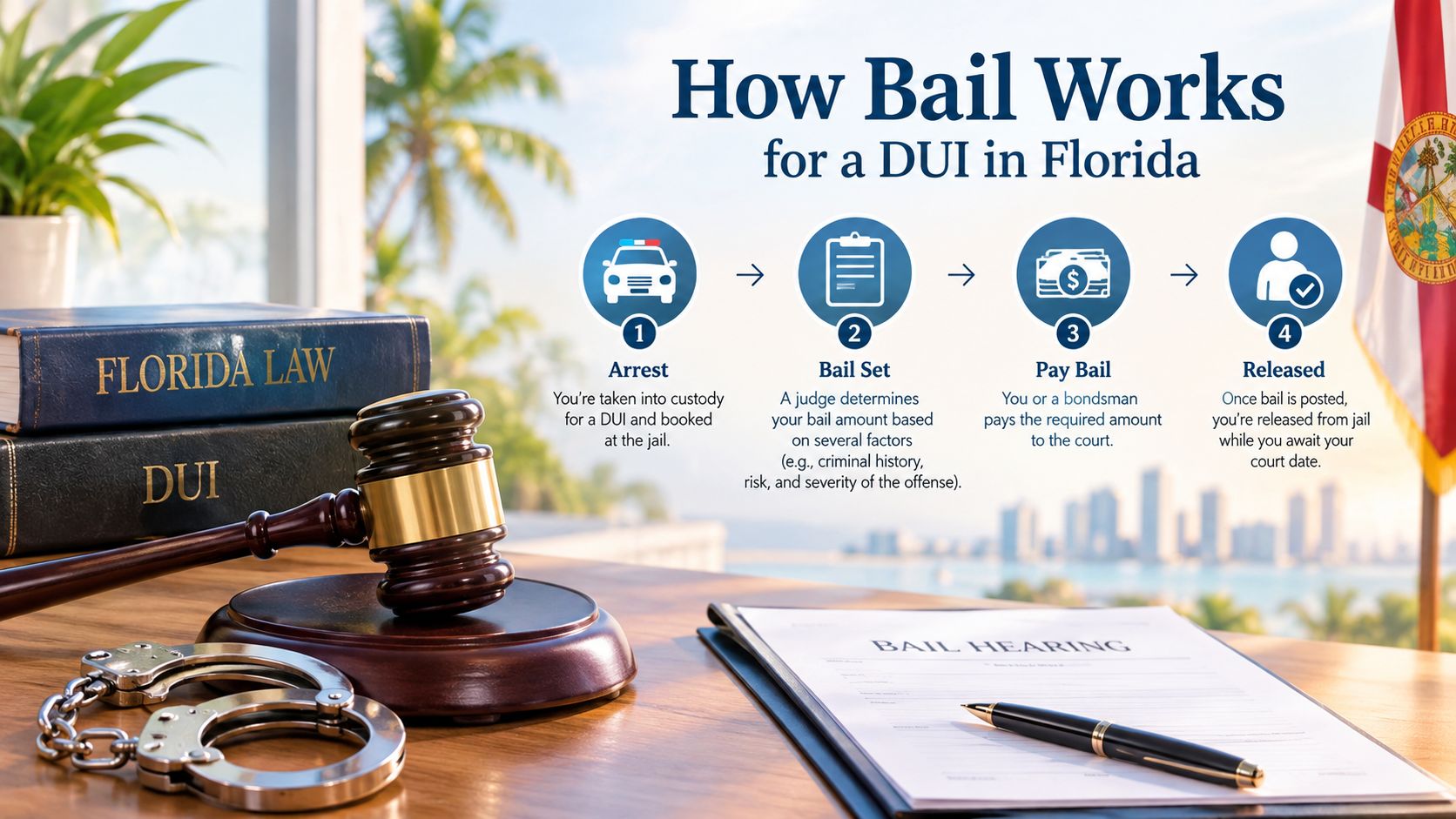
How Bail Works for a DUI in Florida
A DUI arrest in Miami-Dade can leave a family hearing two different figures: the court-set bail and the amount needed to arrange a bond. They are related, but they are not the same bill. Bail works like a promise deposit. The court sets the full amount to encourage the accused person to attend required hearings and follow release rules. If the person misses court, the court can take action against the bond.
Florida counties may use preset schedules for eligible offenses before first appearance. A routine DUI may receive a scheduled amount, while injury, damage, repeat allegations, or other case details can lead to different terms. The schedule provides a starting point, not a promise that every DUI arrest will receive identical release conditions.
The basic release paths
Families generally encounter three routes:
- Cash bail: The full court-set amount is paid through the approved jail or court process. In Miami-Dade, the person may still wait for TGK booking, payment verification, records checks, and release processing after the payment is accepted.
- Surety bond: A licensed bail bond agent posts the full court amount. The family pays the bond premium and any approved costs under Florida rules. The premium is the out-of-pocket amount for arranging the bond, not the entire bail figure.
- Release with conditions: The court may permit release with requirements such as check-ins or other restrictions instead of relying only on money. The available terms depend on the case and the decision-maker.
For example, if the court sets bail at a higher figure, a family using a surety bond does not usually hand the jail that entire figure. The family asks a licensed agent for the premium, required paperwork, and any approved costs. A cash-bail arrangement works differently because it requires the full court-set amount through the authorized process.
The practical question is simple: How much is bail for a DUI on the court record, and how much must the family pay today to post a bond? Families can review how a bond works in Florida for a plain-language explanation of that process.
Practical rule: Before paying, confirm whether the quoted figure is the full bail amount or the bond premium.
TGK's release process can take time even after a bond is posted. A receipt confirms payment, not that the person is ready to leave the facility.
What Changes Your DUI Bail Amount Most
A DUI arrest can begin with a scheduled amount, then change after the court reviews the facts. The same label may describe a basic misdemeanor, a repeat offense, a crash involving injury, or a felony allegation. Those differences affect the full court-set bail amount, while a surety bond requires the family to ask an agent about the separate premium paid today.
Prior history changes the starting point
A first offense may fall into a lower scheduled tier. A second offense, particularly one identified as occurring within a specified period, can move the case higher. One Florida circuit schedule lists first-offense DUI at $1,000 and raises it to $2,500 when there is a prior DUI within five years or bodily injury. (Florida circuit bail schedule)
A judge may also review a pending case, probation status, recent arrests, or missed court appearances. These facts do not create one automatic number. They can affect whether the scheduled bond applies and whether the court adds release conditions.
Injury and damage make the allegation more serious
Property damage or bodily injury can place the case outside the basic first-offense category. A Florida first-appearance schedule lists DUI with property damage or injury at $1,000. The same schedule lists first-offense DUI at $500 and second-offense DUI at $750 to $1,000. (Florida first-appearance bond schedule)
The charge filed and the county's schedule control the starting point. A crash allegation may also prompt questions about public safety, driving restrictions, or other release terms. A published schedule is a useful reference, but the current jail or court record controls a particular arrest.
Felony classification creates a different risk profile
A felony DUI allegation usually receives closer review than a routine misdemeanor. The same circuit schedule identifies third-degree felony DUI at a recommended $5,000, with a listed range of $2,500 to $10,000. That figure is the court amount, not automatically the family's out-of-pocket bond premium.
The judge may consider a high alcohol allegation, refusal to test, probation, community ties, and the likelihood of returning to court. These details work like separate inputs on a scale. They help explain why two people arrested under the broad DUI label can receive different release outcomes. Families can review the factors judges consider when setting bail, while confirming the specific amount through the current court or jail record.
For the booking details needed to price a bond, the next Miami-Dade and TGK examples show what to gather.
Typical DUI Bail Ranges You Will See Quoted
Florida figures can look surprisingly different from national online ranges. That doesn't necessarily mean one source is wrong. It may be describing a different jurisdiction, a different offense tier, or the full bail amount rather than the cost of a bond.
Florida schedules cited in the verified materials place many DUI baselines between $500 and $2,500, depending on whether the case is a first offense, a repeat offense, an injury or damage case, or a felony. By contrast, California county schedules show first-offense DUI amounts from $5,000 in San Joaquin County to $20,000 in another county schedule, with injury and repeat-offender amounts reaching much higher levels. (California bail schedule reference)
Florida DUI Bail Baselines Versus Commonly Quoted National Ranges
| Offense Tier | Florida Schedule Example | Common National Range Cited |
|---|---|---|
| First-offense DUI | $500 to $1,000 | $5,000 to $20,000 in cited California schedules and guides |
| Second-offense DUI | $750 to $1,000 in one Florida schedule | Higher than first-offense amounts, depending on jurisdiction and history |
| DUI with property damage or injury | $1,000 in one Florida schedule | $25,000 to $55,000 in cited California schedules |
| Felony or repeat-offender DUI | $2,500 to $10,000 in one Florida felony schedule | $25,000 to $100,000 or more in cited California schedules |
The table compares schedule examples, not guaranteed statewide prices. Florida circuits can use different schedules, and a judge can set a different amount based on the case. A national range also isn't a useful personal quote unless you know the jurisdiction and charge classification.
Why online answers create sticker shock
Many articles combine misdemeanor, felony, injury, and repeat-offender cases into one broad range. Readers then assume the highest number applies to every arrest. Florida's published schedule examples show why that assumption can mislead a family dealing with a standard misdemeanor DUI.
The reverse mistake is just as dangerous. A low first-offense baseline doesn't mean every Florida DUI will remain at that level. Prior convictions, injury, damage, probation, or a felony filing can change the release review.
A useful estimate starts with the local schedule, not a national average.
Miami-Dade and TGK Examples That Make Costs Concrete
A DUI arrest at Turner Guilford Knight Correctional Center can follow a different release process from an arrest in Broward, Palm Beach, or Monroe County. Nearby counties do not share every booking procedure, schedule, records system, or release workflow. The court-set bail amount is only one part of the family's immediate cost.
At TGK, staff first need to finish booking and make the person's record available in the facility system. A bond amount may not appear while processing is still underway. If the person must attend first appearance, the judge may need to set or confirm release terms before a bond agent can post the bond.
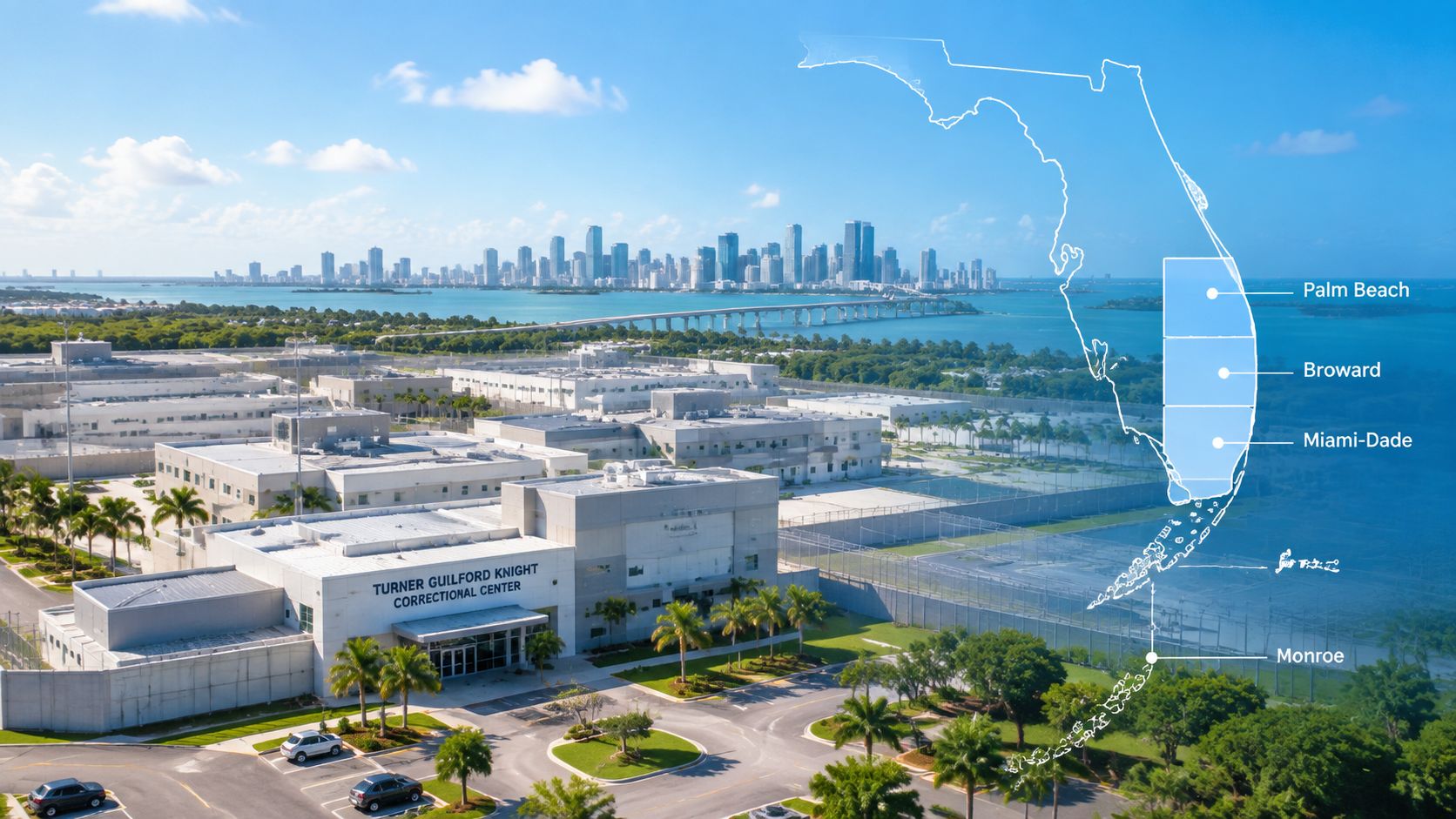
Three Miami-area questions families ask
How much must we pay today? The answer depends on the court-set bail, the bond company's approved terms, and whether booking or a hearing is still pending. The court figure and the out-of-pocket premium are different amounts. A family should confirm both before authorizing payment. Florida DUI bond guidance can help explain the general distinction (Florida DUI bond guidance).
Why does a nearby county quote something different? Florida circuits may use different bail schedules. The earlier circuit and first-appearance materials show that charge details and prior history can place a DUI in different categories. Those schedules provide reference points, not a guaranteed TGK quote. The arrest record, filed charge, and judge's order control the individual case.
Why can release take longer after payment? Payment does not always mean the person walks out immediately. TGK may still need to verify the bond, update the booking record, check for other holds, and complete release processing. A family should ask whether another agency, warrant, or court order could prevent release.
For a current TGK-focused explanation, review Miami-Dade Turner Guilford Knight bail information. Have the person's full name, date of birth, booking number if available, and exact charge ready. Those details help the bond agent check the current status instead of quoting from a general county example.
Options When You Cannot Pay the Full Bail Amount
A family may hear a court-set bail figure that feels out of reach, then learn that a surety bond requires a different payment. The agent posts the full court amount, while the family generally pays a 10% premium when approved. Florida-specific materials also describe the premium as typically 10%, subject to applicable rules and approval. The California DUI bond cost explanation illustrates the same distinction.
Start by separating the two amounts
Confirm the court-set bail before estimating the premium:
- $500 bail: A 10% premium is about $50.
- $1,000 bail: A 10% premium is about $100.
- $2,500 bail: A 10% premium is about $250.
- $5,000 bail: A 10% premium is about $500.
These figures show the calculation only. Approval, payment terms, and any required collateral can change what the family must arrange. The premium is generally non-refundable, even after the defendant finishes the case. Request a written breakdown that separates the bail amount, premium, fees, payment schedule, and collateral requirements.
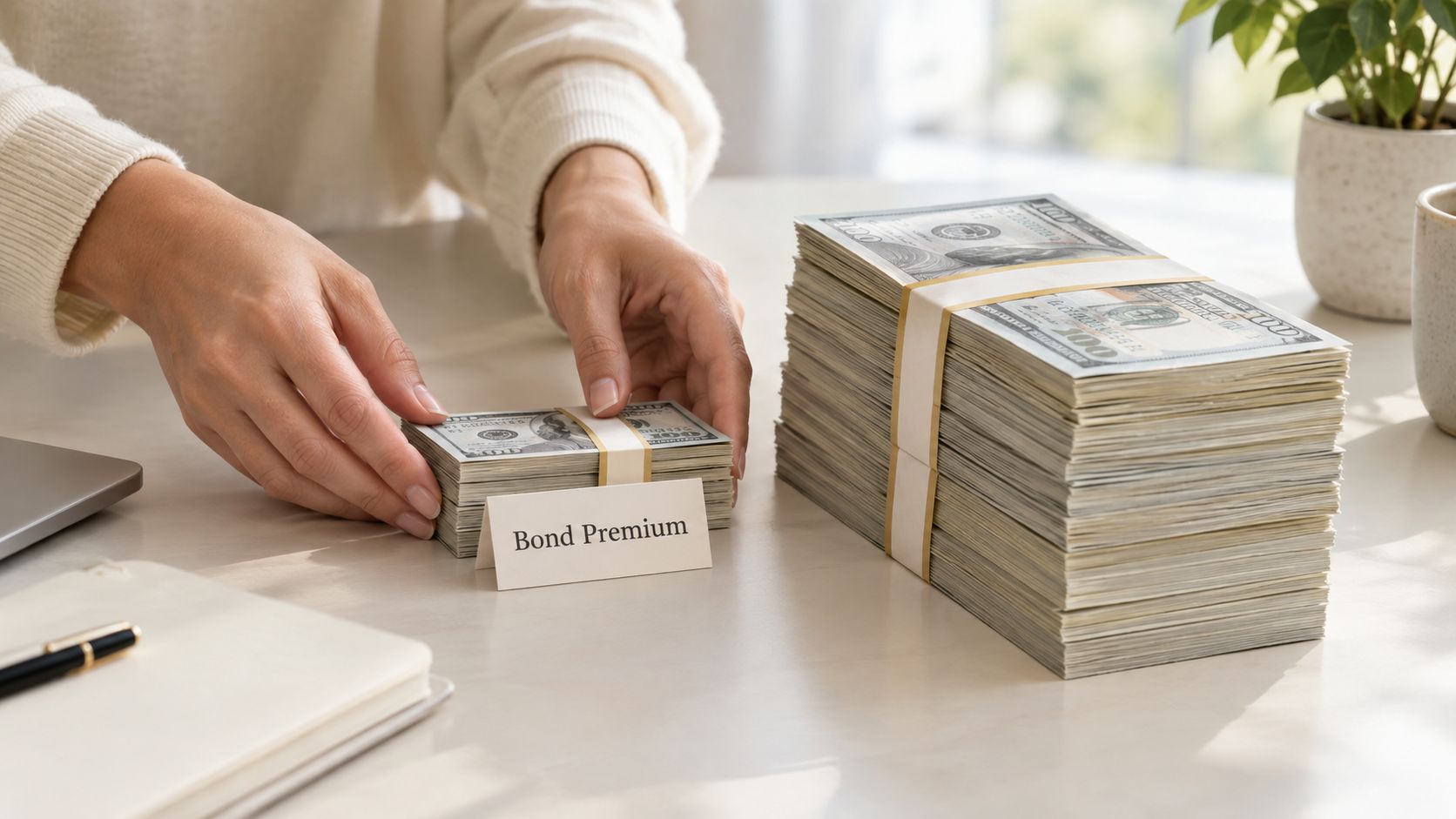
Payment routes families may discuss
A licensed agency may offer different arrangements based on the applicant, bond amount, and Florida requirements:
- Cash posting: The family pays the full court-set bail through the approved facility or court channel.
- Surety bonding: A licensed agent posts the bond after reviewing the case information and receiving the required premium.
- Payment arrangements: Some agencies allow structured payments when approved. Ask what is due before posting and what is due later.
- Card payment: Some agencies accept major credit cards, subject to approval and processing terms.
- Signature or collateral-free options: These may be available for applicants who qualify. Approval is not automatic.
- Remote intake: Phone or online intake can let an out-of-area relative coordinate the bond without traveling to Miami first.
Blandon Bail Bonds, Inc. handles DUI and other surety bonds around the clock, including TGK and Miami-Dade matters. The agency offers remote intake, payment arrangements, and bilingual support when approved. Families should verify the exact premium, paperwork, payment terms, and collateral requirements before signing.
Avoid a quote that hides fees or refuses to identify the agency's license. A lower advertised price may not show the full cost or the conditions required for release.
Your Next Steps to Secure Release Quickly
A family member at TGK may be released quickly once the right information is confirmed. Start by asking the jail or a licensed bond agent to verify the DUI charge, current court-set bail, first-appearance status, and any separate hold that could delay release.
Use this checklist:
- Confirm identity: Provide the detainee's full legal name, date of birth, and booking or case number.
- Separate the costs: Ask whether the quoted figure is the full court-set bail, the surety bond premium due today, or another fee. The premium is only the out-of-pocket bond cost, not the bond's full face value.
- Check conditions: Confirm whether the judge requires monitoring, testing, travel limits, or other release terms.
- Gather documents: Keep identification, contact details, payment information, and any required signer information ready.
- Plan for court: Record every appearance date and release condition. Missing court can create another legal problem and place the bond at risk.
- Ask about holds: Immigration, probation, or another jurisdiction's hold may need separate handling.
County schedules can differ across Florida, so a quoted amount for Miami-Dade or TGK may not apply elsewhere. Prior history, injury, property damage, or felony treatment can also change the court-set amount. The current local record determines what must be posted, while the approved premium often determines what the family pays immediately.
If someone is held at TGK or elsewhere in South Florida, Blandon Bail Bonds, Inc. can confirm the bond amount, explain the premium, and coordinate release by phone or online intake. Visit Blandon Bail Bonds, Inc. for 24/7 Florida DUI bond assistance.