How to Get a Bail Bond in Florida
Learn how to get a bail bond in Florida with a clear, step-by-step walkthrough. Understand paperwork, payments, and what to expect from a licensed agent.
The phone rings late at night. Your relative has been arrested, the jail is TGK or another Miami-Dade facility, and nobody in the family knows what happens next. You don't need a lecture on criminal procedure. You need the defendant's exact information, a realistic cost, a licensed agent, and a clear plan for getting paperwork accepted at the facility.
The process is usually more orderly than it feels. A bondsman can identify the bond, explain the available options, prepare the agreement, and coordinate posting while your family tracks the next court date. This guide gives you the practical version of how to get a bail bond in Florida, with special attention to the family member who has to make decisions from outside the jail.
The Call That Starts Everything
A worried family member often begins with a sentence like, “My brother was taken to TGK. I don't know what to do.” My first response isn't a sales pitch. I need facts.
I ask for the defendant's full legal name, date of birth, booking facility, charges, and bond amount if one has already been set. Those details let the agent locate the right person, distinguish similar names, check whether the bond is available to post, and identify complications such as additional holds or release conditions. A wrong spelling or incomplete name can send paperwork toward the wrong record and delay the entire process.
If you don't know the bond amount, say so. Give the agent the facility and booking information instead. The agent can explain what is known, what still has to be confirmed, and what documents the indemnitor or co-signer will need to provide.
Practical rule: Have one person handle the phone call and one person gather identification, payment information, and court details. Too many callers repeating incomplete information creates confusion.
A licensed Florida bondsman can usually calculate the statutory premium once the bond amount is confirmed. The family still needs to ask about collateral, payment arrangements, indemnitor obligations, and any conditions attached to release. The premium is only one part of the decision.
For a straightforward explanation of the initial contact and application process, review this guide on how to contact a bail bondsman. Then keep the phone available. TGK and other Miami-Dade facilities may require additional coordination after the bond is posted, and the jail controls the final release workflow.
How Bail Bonds Actually Work in Florida
Florida's statutory framework gives families a clear starting point. After the bond amount and conditions are determined, a defendant may deposit 10% of the bond with the clerk or sheriff, plus any additional collateral the court requires. If the defendant complies with all conditions, the clerk returns 75% of that 10% deposit and retains 25% as bail costs, as provided by Florida Statute 903.105.
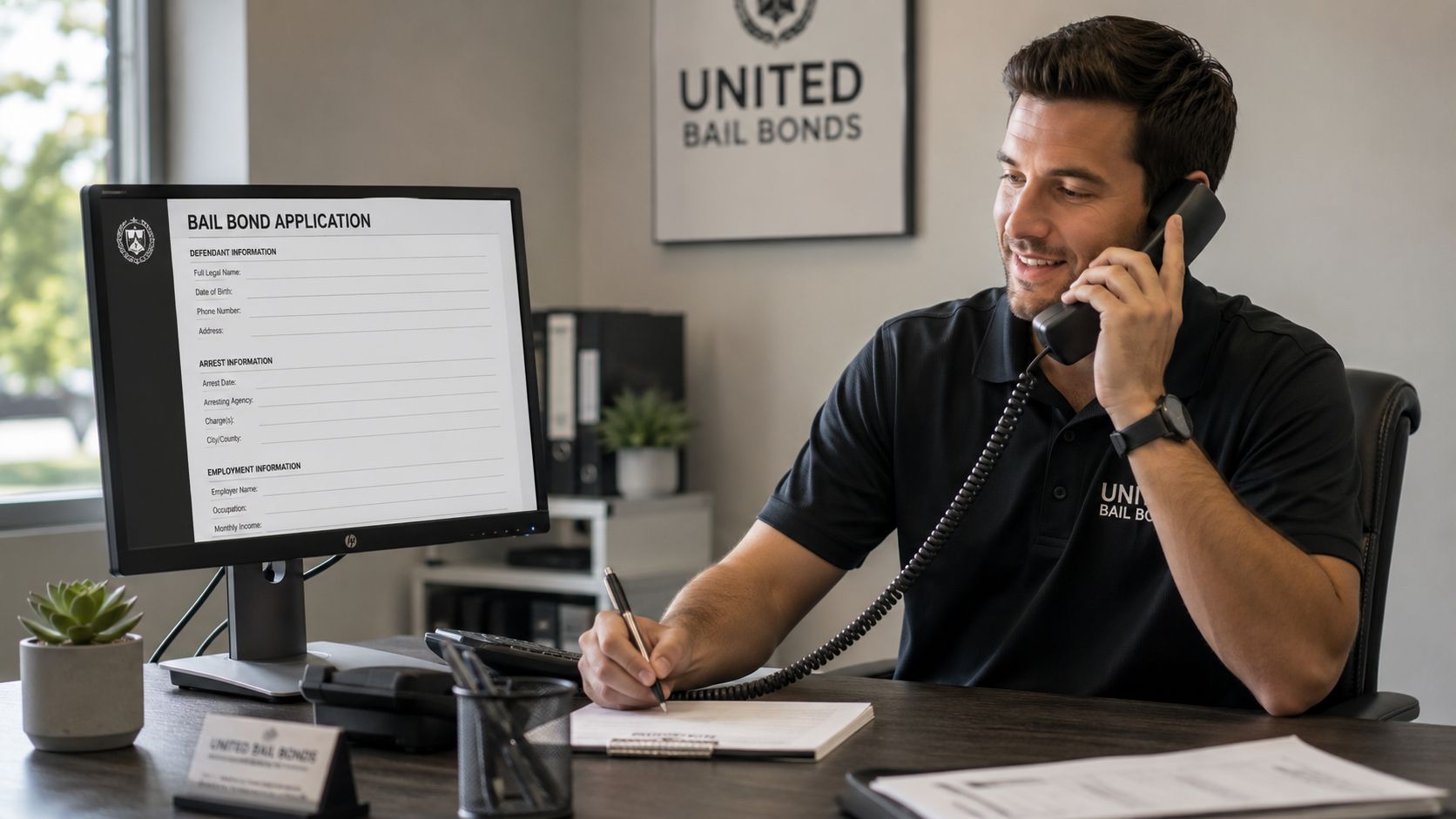
A surety bond changes who supplies the financial guarantee. The bail bond company signs an obligation to the court for the full bail amount, while the family generally pays a 10% premium to the licensed surety agent. That premium is the agent's fee for assuming the bond obligation, and it isn't the same thing as refundable collateral.
The Florida math families should understand
Use a $50,000 bond as the working example. Under the statutory deposit framework, 10% equals $5,000. If the defendant completes the case and satisfies the release conditions, $3,750 is returned, while $1,250 is retained as bail costs, based on the Florida rule linked above.
With a surety bond, the family may pay the agent's premium rather than placing the entire bond amount with the clerk. The agent may also require collateral or an indemnitor, especially when the charge, bond amount, flight risk, or financial exposure makes the obligation more difficult to secure.
The judge or authorized court process sets the bond and release conditions. Those conditions can control whether the person must report, avoid certain contact, surrender documents, comply with testing, or satisfy another requirement before release. A bondsman can't erase those conditions.
For a plain-language breakdown of the parties, paperwork, and financial obligation, read how a bail bond works. The family member signing the indemnity agreement must understand that the agent's risk doesn't end when the defendant walks out of jail. If the defendant misses court, the agent can face liability for the full bond and may seek recovery from the indemnitor.
The Bail Bond Process From First Call to Release
The family usually moves through the same practical sequence, although the jail's workload and the court's schedule affect the final release time.
Start with information, not money
First, provide the agent with the defendant's identifying information and facility. Ask the agent to confirm the bond amount, charges, holds, and release conditions. Have a government-issued identification document available for the person signing, along with contact information, employment details, and any ownership records if collateral may be required.
The agent then explains the premium, payment arrangements, collateral requirements, and indemnity agreement. Don't sign until you understand who is responsible if the defendant fails to appear or violates the bond terms.
Complete and return the paperwork
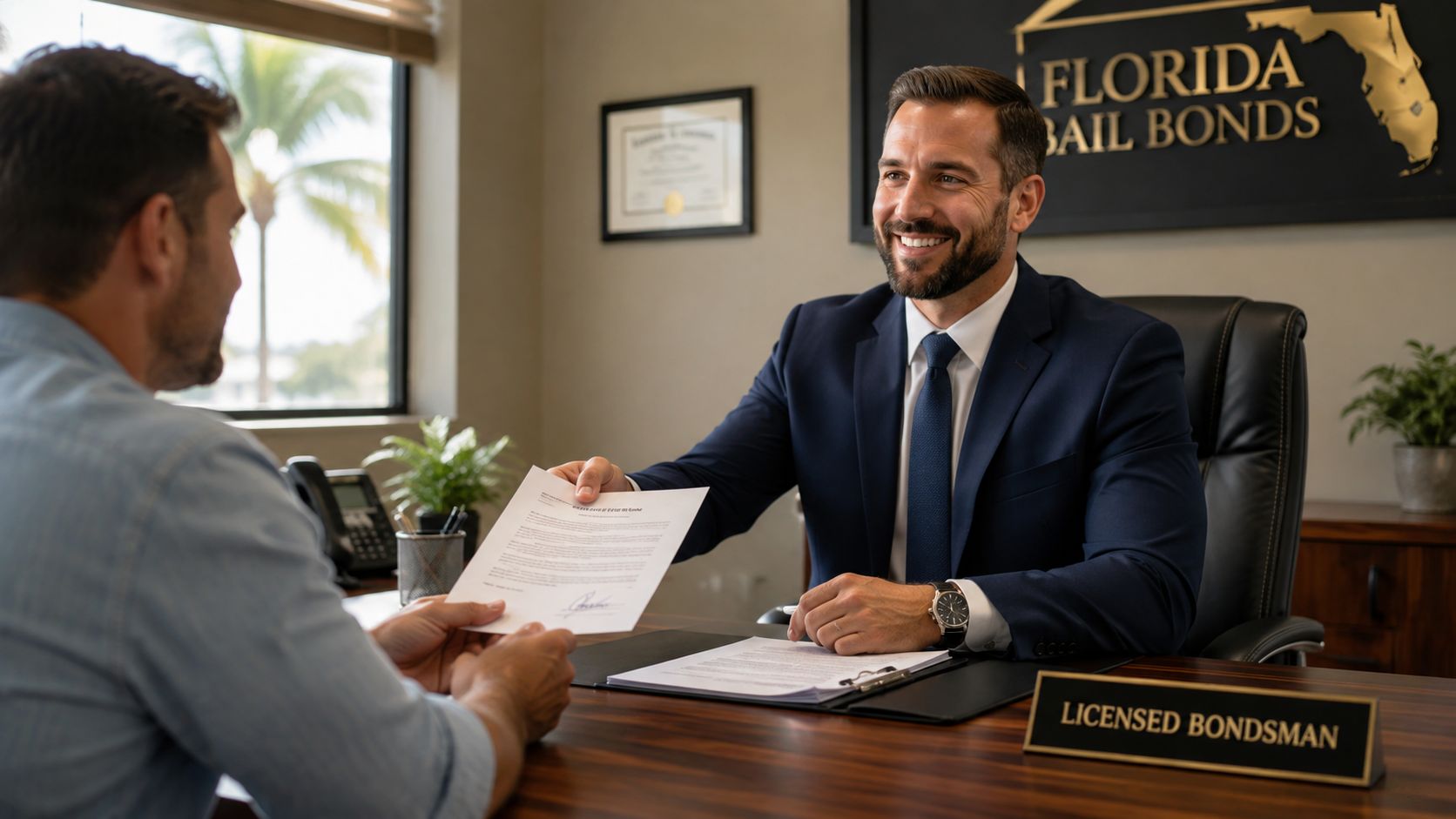
The indemnitor signs the agreement and any required authorizations. Depending on the case, the agent may request proof of address, financial information, collateral documents, or additional co-signers. Remote intake can help relatives who aren't near Miami, but the agent still needs accurate signatures and usable identification.
Posting isn't the same as release
After payment and paperwork are complete, the agent posts the bond with the jail or appropriate authority. Jail personnel then process the release. Booking must be completed first, and a video bond hearing or judicial review may still be necessary before a bond is available. The facility may also need to clear unrelated holds before release.
TGK and Miami-Dade facilities have their own intake, posting, and release procedures. A bondsman familiar with those facilities can coordinate delivery and monitor the status, but nobody outside the jail can promise that staff will release someone instantly. The agent can post efficiently. The jail determines when final processing is complete.
What families should expect: The release window begins after the bond is approved, paperwork is signed, and posting is accepted. It may still take additional time for jail staff to verify records, process the release, and address any other hold.
Keep the defendant's next court date on a shared calendar before the person leaves custody. The fastest release means little if the family loses track of the hearing that keeps the bond active.
Choosing the Right Bond Type for Your Case
A family shouldn't automatically choose a surety bond without comparing the alternatives. Florida recognizes different financial and release arrangements, and the right choice depends on the bond amount, available funds, property, court conditions, and whether the judge authorizes release without a financial guarantee. The Bureau of Justice Statistics discussion of bail systems distinguishes surety bonds from cash, deposit, and property bonds, which matters because each option assigns risk differently.
| Bond Type | Typical Cost | Best For | Approval Speed |
|---|---|---|---|
| Surety | Statutory premium, with possible collateral | Families who can't place the full amount directly | Usually practical once paperwork is complete |
| Cash or deposit | Full required deposit, subject to applicable rules | Families with sufficient liquid funds | Depends on clerk and jail processing |
| Property | Property pledged against the obligation | Owners with acceptable equity and clean title | Can be slower because ownership must be verified |
| Signature or recognizance | No standard cash payment when approved | Defendants the court considers suitable for release without financial security | Controlled by court approval |
A surety bond is often the workable option when the bond is too large for the family to deposit directly. The family pays the premium and may pledge collateral. The agent stands behind the bond, while the indemnitor accepts contractual responsibility for the defendant's compliance and any recovery costs.
A cash or deposit bond avoids a commercial agent, but it requires the family to provide the required funds directly. Florida's statutory framework can also affect what is returned and what is retained as costs, so don't assume every dollar comes back just because the defendant attends court.
A property bond creates title and equity problems that families often underestimate. The agent or court may need proof of ownership, valuation, liens, and authorization from every relevant owner. A home with little available equity or unresolved title issues may not help at all.
A signature bond or release on recognizance depends on court approval, not the family's preference. If the court grants it, the defendant may be released without the same financial arrangement required for a surety or cash bond. Ask about this possibility before paying for a commercial bond, but don't count on it where the court has imposed financial conditions.
Costs, Collateral, and Payment Plans Explained
Start with the premium, then ask for every other charge. Florida's 10% statutory framework sets the basic benchmark for a commercial surety bond, but the final agreement can also address collateral, payment timing, and costs triggered by missed court dates. Review the earlier explanation of the statutory framework before comparing a commercial bond with a direct deposit.
A commercial premium pays for the agent's surety service. It is separate from collateral and generally is not treated like a refundable deposit when the case ends. Ask the agent to identify the premium, administrative charges, finance charges, and any conditions that could create additional costs. Read this guide to bail bond average cost before accepting a quote.
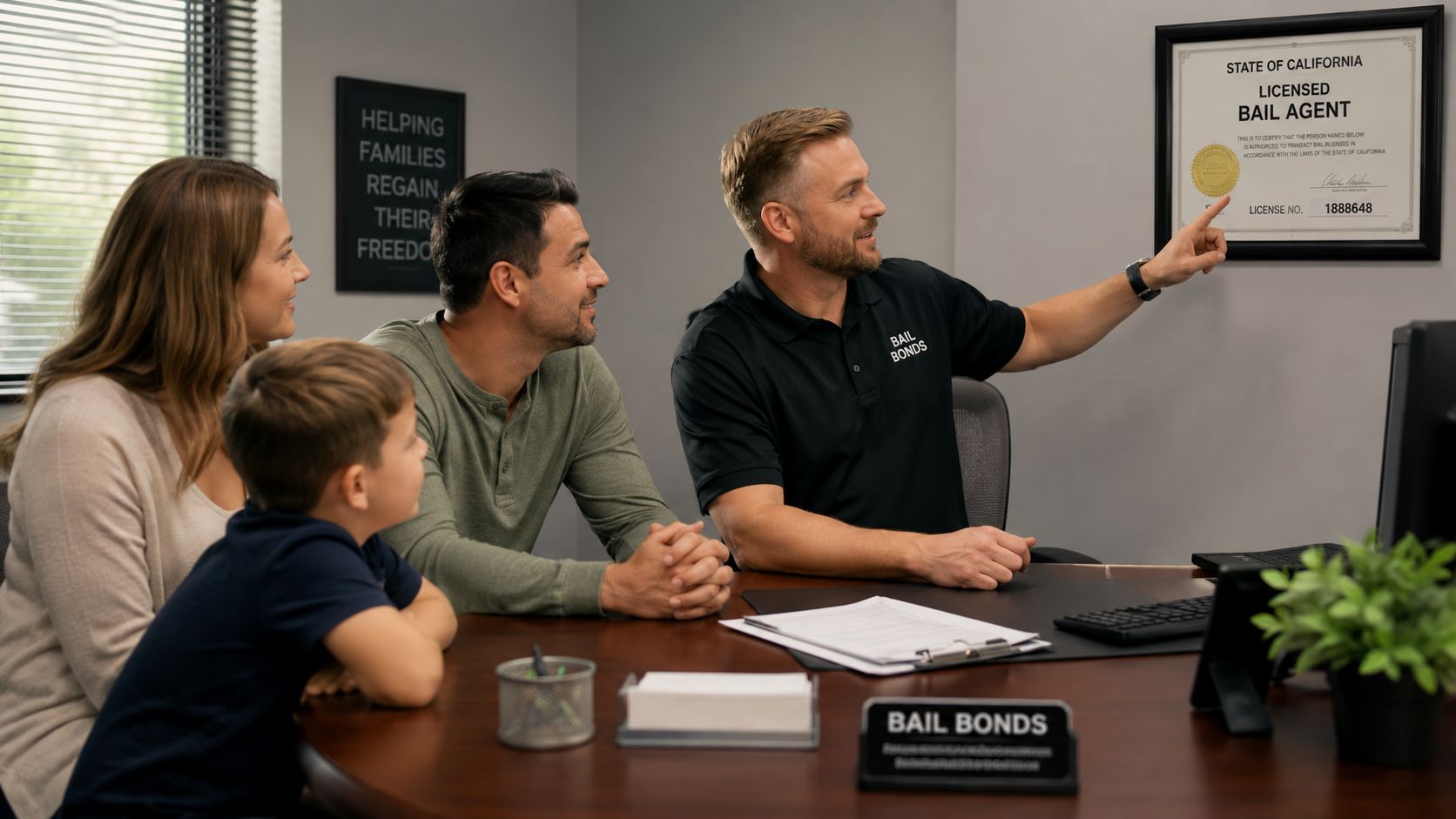
Collateral protects the agent
Collateral may be cash, a vehicle, jewelry, or real property, subject to the agent's underwriting rules. Real property usually takes longer to review because ownership, liens, equity, and every owner's authorization may need confirmation. A credit card can cover part of the premium, but it does not automatically replace collateral.
The indemnitor should get direct answers in writing:
- Is collateral required, and which assets qualify?
- When will the agent release it, and what documents are needed?
- Are there separate notary, travel, administrative, or reinstatement charges?
- What action follows a missed court date?
- Does the payment plan include finance charges?
- What event counts as default?
Payment plans require approval. Ask for the down payment, installment amounts, due dates, finance charges, and late-payment consequences before signing. Stable income, reliable co-signers, verifiable assets, and a practical plan for keeping the defendant reachable can support the request, but the agent decides whether the arrangement meets underwriting requirements.
At TGK and other Miami-Dade facilities, the family also needs to plan for coordination after approval. Posting the bond does not guarantee immediate release if the facility still needs documents, signatures, or confirmation of another hold. Keep the agent informed, answer calls promptly, and confirm what the family must bring or sign before the defendant is processed.
Mistakes That Cost Families the Most
The most dangerous mistake is hiring someone who isn't properly licensed. Ask for the agent's Florida Department of Financial Services license information and verify it before handing over money or signing an indemnity agreement. An advertised bargain isn't a bargain if the person can't lawfully post the bond or won't provide a complete contract.
The second mistake is treating the court date as the defendant's problem. It belongs to the entire family once someone signs as indemnitor. A missed hearing can lead to forfeiture, recovery activity, added expenses, and pressure to reinstate or surrender the defendant.
Prevent the avoidable delays
- Wrong legal information: Match every form to the booking record, including the defendant's full legal name and identifying details.
- Unclear payment terms: Get the total obligation, installment schedule, finance charges, collateral rules, and return conditions in writing.
- Untracked court dates: Put every hearing on a calendar with multiple reminders before release.
- Unresolved holds: Ask whether another agency, warrant, or case may prevent release even after the bond is posted.
- Unverified agent: Confirm the Florida license before signing, not after a problem develops.
At TGK intake, a missing signature or incorrect name can stall acceptance while the family waits. The safest approach is to review every page before submission and ask the agent to identify anything that must be corrected.
The Bureau of Justice Statistics data on pretrial release shows why bond amount and jurisdiction matter. In state felony cases from the period studied, release became much less common as bail rose, while federal data from fiscal years 2011 through 2018 showed that many released defendants had no financial conditions. The practical lesson is simple: don't assume the same strategy works for every charge or courthouse.
Your Bail Bond Action Checklist
Before you sign, complete these checks:
- Identify the defendant: Confirm the full legal name, booking number, and exact facility.
- Confirm the obligation: Verify the bond amount, charges, holds, and conditions.
- Verify the agent: Check the Florida Department of Financial Services license information.
- Protect the court date: Put the next hearing on a shared calendar with reminders.
Don't wire money to an unknown person. Don't pay a full premium in cash without a signed receipt and the required authorization. Read the indemnity agreement line by line, especially the sections covering collateral, missed court, recovery expenses, payment default, and release of the obligation.
If your family is dealing with a TGK or Miami-Dade arrest, Blandon Bail Bonds, Inc. can provide around-the-clock quotes, application support, payment arrangements, and coordination for local or out-of-area relatives. Visit Blandon Bail Bonds, Inc. with the defendant's identifying information ready, and ask for the exact cost and paperwork before you sign.